History
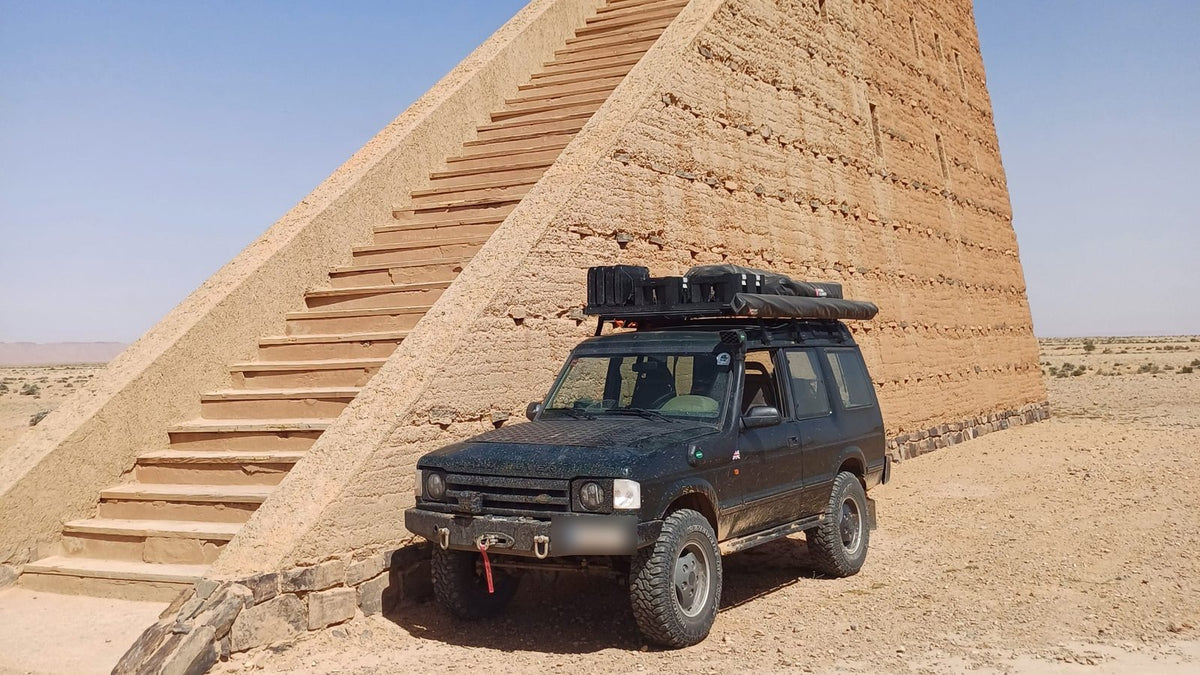
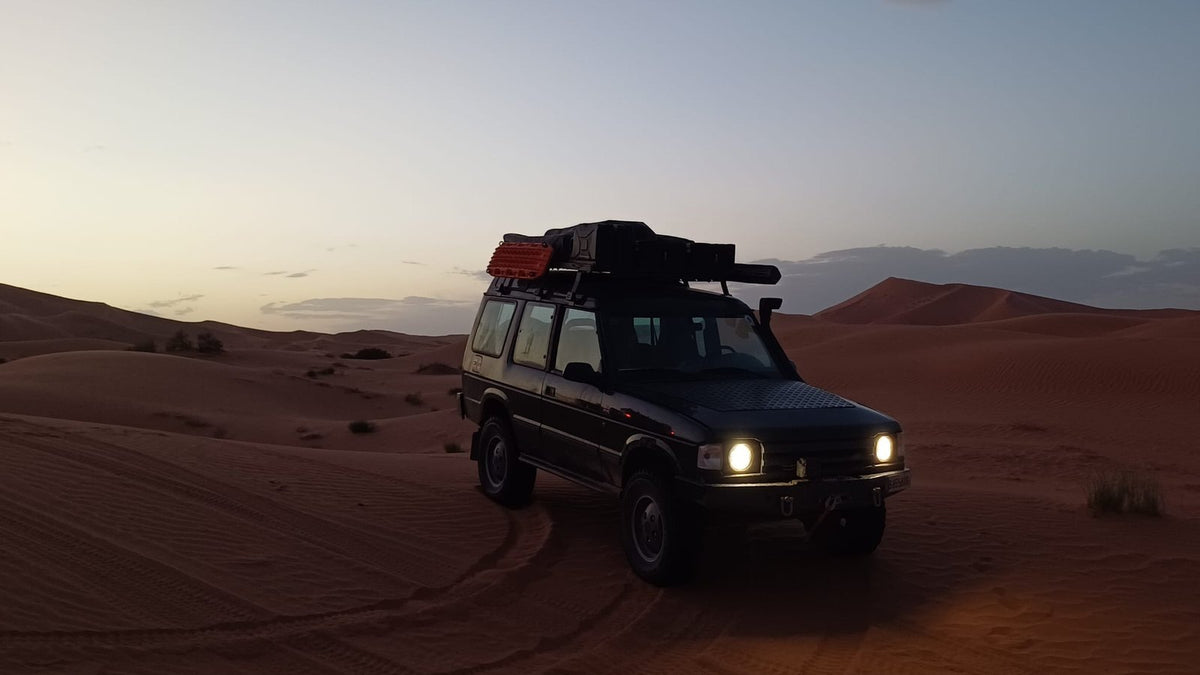
By the late eighties Land Rover had an obvious gap between the Defender, a pure workhorse, and the Range Rover, which was becoming ever more expensive. Japanese 4x4s were filling that space, and the answer was the Discovery, launched in September 1989.

The formula was as simple as it was effective: take the Range Rover’s mechanical base (100-inch ladder chassis, coil-sprung beam axles and the LT230 transfer box with centre differential) and dress it in a new body with a family-friendly interior designed by Terence Conran’s studio. The “alpine” roof windows and the stepped rear roof became its signature.

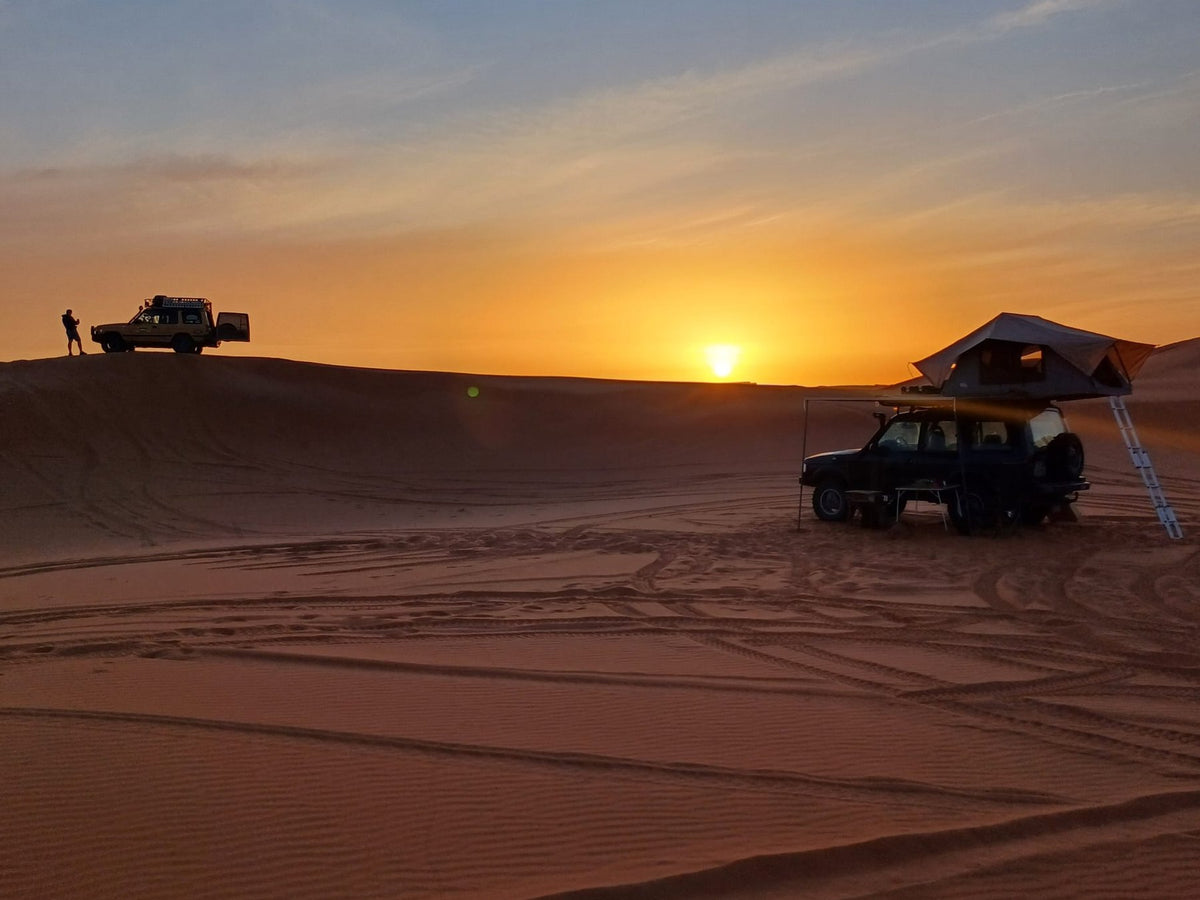
It also marked the debut of the 200Tdi, Land Rover’s first direct-injection diesel: tough, simple and economical. The facelift, the 300Tdi and the R380 gearbox arrived in 1994. The Discovery was the Camel Trophy vehicle for much of the nineties, and it remained in production until 1998, when the Discovery II replaced it.


Today it is one of the most rewarding classic Land Rovers: well-known mechanicals, good parts availability and off-road ability that still holds its own.
Specifications
| Production | 1989 – 1998 |
|---|---|
| Body styles | 3-door, 5-door and Commercial |
| Diesel | 200Tdi 2.5 (1989 – 1994) · 300Tdi 2.5 (1994 – 1998), both around 111 hp |
| Petrol | 3.5 V8 carburettor · 3.5 V8 fuel injection · 3.9 V8 · 2.0 Mpi four-cylinder |
| Manual gearbox | LT77 five-speed; R380 from 1994 |
| Automatic gearbox | ZF 4HP22 four-speed |
| Transfer box | LT230, two-speed, lockable centre differential |
| Suspension | Coil-sprung beam axles; Panhard rod at the front and A-frame at the rear |
| Brakes | Discs all round; ABS on higher-spec models after the facelift |
Year by year
- 1989Launched as a three-door with the 200Tdi and the carburettor 3.5 V8.
- 1990The five-door arrives. The V8 moves to fuel injection.
- 19933.9 V8, and the 2.0 Mpi petrol for markets that taxed engine capacity, such as Spain, Italy and Portugal.
- 1994Facelift: new dashboard, rear lights in the bumper, 300Tdi and R380 gearbox. Some parts change mid-production, such as the hub bearings (chassis cut-off JA032849): every product page shows the relevant cut-off.
- 1998End of production. Replaced by the Discovery II.
What we see in the workshop
- 300Tdi timing beltIts weak point. Always replace the belt with the complete kit (tensioner and idler) and check the pulley alignment: a belt that runs off-line will fail early. 300Tdi timing kits
- Swivel ballsPitted chrome destroys the seal and oil appears on the inside of the wheel. The fix is a new swivel ball, seal and gaskets. Swivel kits and seals
- CorrosionCheck the boot floor, rear wheel arches, sills, rear chassis crossmember and body mounts. These are the points that decide whether a Discovery is worth having.
- Alpine windows and roofThe seals of the roof windows and sunroof age and let water inside. Replacing them in time prevents mould and floor corrosion.
- Bushes and steeringOver the years, arm and Panhard rod bushes and steering joints make the car feel vague. A new set of rubber or polyurethane bushes restores its composure. Bush kits